Detroit beat delivers gritty soul-sampled trap you can license and build a full track on
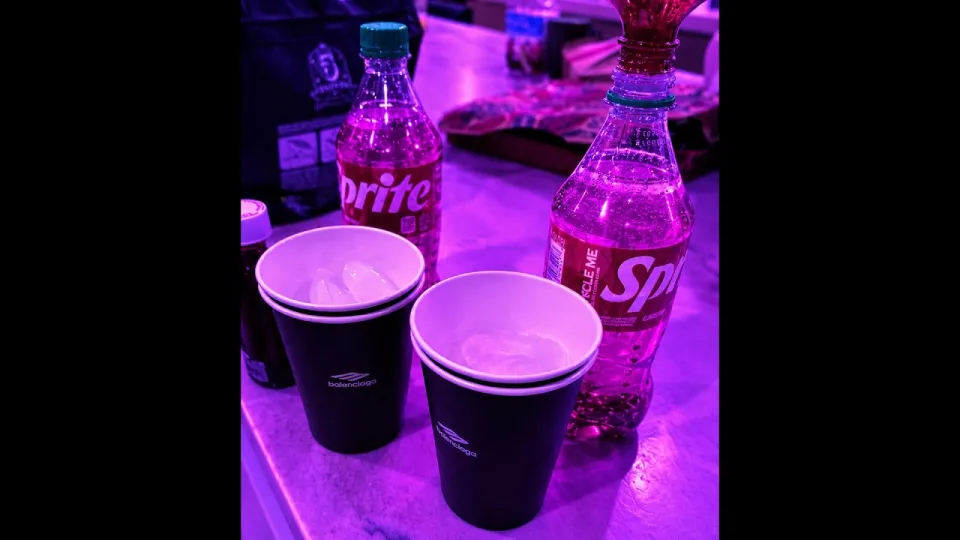
Video: [FREE] Freestyle Detroit Sample Type Beat - "BLACK CUP" | Trap Instrumental 2026
You can order the same kind of articles for your own video to boost it on YouTube and Google. Just message the Telegram bot @sat_sit_bot. Articles with your video embedded are written and posted by the bot itself — on popular topical sites (no ads). Your first 50 articles are free.
· based on the channel Drezly
A Detroit beat is a trap instrumental built on chopped soul, funk and gospel samples with heavy 808 bass and dry, punchy drums, and Drezly's "BLACK CUP" is a free freestyle example you can download untagged through the BeatStars listing under a buy 2 get 1 free offer. The track is labeled a Detroit sample type beat and a trap instrumental, which tells you exactly what to expect: sampled texture up front, modern low end underneath. Below is how the style works, how to use this specific beat legally, and what to do when it starts sounding like every other upload.
What defines a Detroit beat in the trap era
A Detroit beat borrows the sample-first logic of classic Detroit hip-hop production and pushes it through trap drums, so the sample carries the mood while the 808s carry the weight. The city's rap lineage runs from gritty boom-bap through the raw, lo-fi Detroit trap sound that blew up in the 2010s, and type beats labeled "Detroit" usually sit somewhere between those poles.
The practical markers are consistent:
- A short vocal or instrumental loop, often two or four bars, pitched and filtered rather than left clean.
- Drums that stay sparse so the sample has room: kick, snare or clap, hats, and not much else.
- 808 patterns that slide and hold notes longer than the sample phrase, creating tension against the loop.
- Minimal melodic layers beyond the sample, usually a single bell, keys line or vocal chop.
- Mix choices that keep the low end loud and the mids slightly dirty rather than glossy.
A "sample type beat" means the producer worked from a sample or sample-style loop instead of fully synthesized melodies. That matters for rappers because the loop sets a fixed pocket: you write to the rhythm of the chop, not to a blank grid.
How "BLACK CUP" is packaged and what you actually get
"BLACK CUP" is released as a free freestyle Detroit sample type beat and a trap instrumental, produced by Drezly, with a paid untagged version and a free tagged-or-credited route for non-profit work. The title marks it as freestyle-friendly, which in practice means the arrangement leaves space for long verses rather than stacking a busy hook every eight bars.
What the release page spells out:
- The free download is for non-monetized, non-profit use.
- Credit must appear in the title as "Prod. Drezly".
- Uploading a song to digital streaming platforms requires a purchased license, or the track will be taken down.
- The untagged, high-quality file sits behind the BeatStars link, with a buy 2 get 1 free bundle.
- Exclusive licenses, track stems and custom beats are handled by direct message on WhatsApp.
That structure is standard for type beats, but the details are where people get caught: a free beat is not the same as a free master for Spotify.
Free download versus streaming license
The free tier covers non-profit, non-monetized use with credit, and any distribution to streaming services needs a paid license. Producers enforce this because platform content ID will flag the beat and pull the release, sometimes after it has already collected streams.
A simple decision path:
- Posting a freestyle to social media with no monetization and credit in the title: free tier applies.
- Uploading to Spotify, Apple Music, YouTube Music or similar: buy a license first, then distribute.
- Selling the song, licensing it for sync, or pressing physical copies: check the lease terms or ask about an exclusive.
- Needing stems to mix your vocals properly: request them directly, since stems and exclusives sit outside the standard free download.
Licensing questions, stem requests and custom work all route through the same contact channel listed with the beat, so ask before you release rather than after a takedown notice.
The bassline question every type beat producer faces
A recurring critique of prolific type beat catalogs is that the bassline starts to repeat across uploads, and that feedback is worth taking seriously when you are choosing beats for a project. Listeners notice sameness faster than producers do, because they hear the finished song, not the folder of instrumentals.
For rappers picking a Detroit beat, the check is straightforward:
- Play three beats from the same catalog back to back and hum the 808 pattern; if it is the same contour, your songs will blur together.
- Vary tempo and swing across a project, not just sample choice.
- Ask for a custom beat or a stem swap if one instrumental fits your voice but the low end feels familiar.
- Keep one signature-sounding beat per project at most, and let the rest breathe.
For producers, the fix is mechanical: change the root note movement, the note length and the glide points, not just the drum kit.
Why freestyle beats are built the way they are
Freestyle beats keep the arrangement open so a rapper can ride for 16 or 32 bars without a forced switch, which is why "BLACK CUP" is tagged freestyle alongside its Detroit sample identity. The loop stays steady, drops are rare, and the drums repeat with small variations instead of building to a big hook.
That design has trade-offs:
- Strength: easy to write to, easy to freestyle over, forgiving of uneven cadence.
- Weakness: a full song needs a hook, so you either write one over the same loop or ask for an arrangement change.
- Practical tip: record a long take first, then cut the best eight bars and build the structure around them.
The Detroit sample texture helps here, because a gritty loop hides vocal imperfections better than a clean synth melody does.
Useful links
- Untagged high-quality version and the buy 2 get 1 free offer: https://bsta.rs/cgTWPW
- Producer's store and full catalog: https://www.beatstars.com/drezly
- Instagram: https://www.instagram.com/drezlyy
- WhatsApp for licensing, stems and custom beats: https://bit.ly/3AiDL3K
- Email: drezlyprod@gmail.com
Final take
A Detroit beat works when the sample sets the mood and the 808s do the damage, and "BLACK CUP" follows that formula as a free freestyle trap instrumental from Drezly. Use the free tier only for non-monetized uploads with "Prod. Drezly" in the title, and buy a license before anything goes to streaming. If the low end starts feeling too familiar across a catalog, ask for stems or a custom beat instead of settling. Grab the untagged file through the BeatStars link and check the licensing terms before you release.
Key takeaways
- "BLACK CUP" is a free freestyle Detroit sample type beat by producer Drezly, published as a trap instrumental for 2026.
- Free use covers non-monetized, non-profit uploads only, with credit "Prod. Drezly" in the title.
- Streaming platforms require a paid license; otherwise the track gets taken down.
- Untagged high-quality version is sold via BeatStars with a buy 2 get 1 free offer.
- Detroit beat style leans on chopped soul and funk samples, hard 808s and sparse, punchy drums.
Source: [FREE] Freestyle Detroit Sample Type Beat - "BLACK CUP" | Trap Instrumental 2026 · Markdown version
Questions & answers
Can I put a song on Spotify using the free version of a Detroit type beat?
No. The free tier on "BLACK CUP" covers non-monetized, non-profit use only, with credit in the title. Distributing to streaming platforms requires a purchased license, and without one the release can be taken down.
Do I have to credit the producer if I use the beat for free?
Yes. The release terms require "Prod. Drezly" in the title of any non-profit upload. Credit is the condition that keeps the free use valid.
How do I get the untagged version and stems?
The untagged high-quality file is sold through the BeatStars listing, which also carries a buy 2 get 1 free bundle. Stems, exclusive licenses and custom beats are requested directly via WhatsApp.
Why do so many Detroit type beats share the same bassline?
Producers often reuse a working 808 template because it mixes well and fits many samples. It is a real limitation for rappers, so audition several beats and vary tempo and bass movement across a project, or request a custom arrangement.